
Hi, I'm Lisa O.. I live in Florida.
Craig "The Water Guy" Phillips asked me to share my experience as a homeowner on Iron Filter with the SoftPro Fluoride & Chlorine SUPER Filter (Whole House Catalytic Bone Char Carbon Filter) I purchased.
This is how my adventures played out. I hope this helps you in your decision.
Did you know that choosing a whole house water filtration system can be one of the most frustrating yet rewarding home improvement decisions you'll ever make?
Six months ago, I found myself staring at yet another glass of cloudy tap water, wondering if I'd ever find a solution that actually worked. Our well water in Florida had been a constant source of stress - the metallic taste, the lingering chlorine smell from our treatment system, and don't get me started on what it was doing to our appliances.
After weeks of research and comparing different filtration technologies, I landed on the SoftPro Catalytic Bone Char Carbon Filter system. But let me be completely honest with you - this journey had its rocky moments, especially during installation when I couldn't figure out the proper water flow direction for what seemed like hours.
However, after living with this system for half a year, I can confidently share both the challenges and remarkable improvements we've experienced. From the initial installation headaches to the daily benefits we now enjoy, I'll walk you through every detail of what it's really like to own this whole house filtration system.
The Water Quality Nightmare That Started It All
Living in Florida with well water means dealing with a unique set of challenges that city water users rarely understand. Our water wasn't just "hard" - it was a complex cocktail of minerals and contaminants that made daily life genuinely unpleasant.
Every morning, I'd fill my coffee maker and immediately notice the slight metallic tang that no amount of premium coffee beans could mask. The shower experience was equally frustrating - despite using expensive moisturizing products, my skin felt tight and dry, and my hair had lost its natural shine months earlier.
But the real wake-up call came when our water heater started making strange noises after just three years of use. The service technician showed me the mineral buildup inside and estimated we'd need a replacement within two years if we didn't address our water quality issues. That's when the financial impact really hit home.
I'd tried point-of-use filters for drinking water, but they couldn't handle the volume we needed, and they did nothing for bathing, laundry, or appliance protection. The constant filter replacements were eating into our budget, and we were still dealing with the underlying problems.
Our previous attempt at a basic carbon filter system had failed miserably within eight months. The cartridges clogged frequently, water pressure dropped significantly, and we saw minimal improvement in taste or odor. That expensive mistake taught me that not all filtration systems are created equal.
After researching the specific contaminants in our area - high levels of hydrogen sulfide, chlorine from our pre-treatment system, iron compounds, and various organic chemicals - I realized we needed something more sophisticated than basic filtration. The catalytic oxidation and bone char combination technology started making sense as I learned more about how these systems work together.
Research Phase: Understanding Catalytic and Bone Char Technology
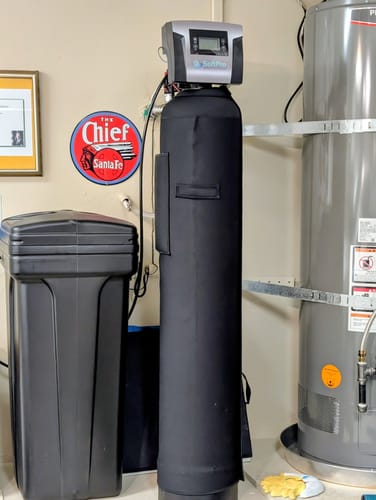
My deep dive into water treatment technology revealed fascinating science behind how different filtration media actually work. I'd never heard of bone char before this research, but learning about its unique adsorption properties completely changed my understanding of water treatment possibilities.
Bone char, I discovered, isn't just another filter media - it's specifically effective at removing fluoride, heavy metals, and certain organic compounds that standard carbon filters miss entirely. The porous structure created during the charring process creates millions of tiny spaces where contaminants get trapped through both physical and chemical processes.
The catalytic component was equally intriguing. Unlike basic carbon that simply absorbs contaminants until it's saturated, catalytic carbon actually breaks down certain chemicals like hydrogen sulfide and chloramines. This means longer filter life and more complete contaminant removal rather than just temporary absorption.
What really sold me on the upflow design was understanding how it prevents channeling - a problem I'd experienced with our previous system where water would find the path of least resistance and bypass much of the filter media. The upflow configuration ensures contact with the entire media bed, maximizing treatment efficiency.
I spent hours comparing flow rates, media volumes, and regeneration requirements. The SoftPro system's 1.5 cubic feet of media seemed appropriate for our household of four, and the service flow rate of 7 GPM would handle our peak usage without pressure drops.
Certifications were crucial in my decision-making process. The NSF/ANSI Standard 61 compliance gave me confidence that the system components were safe for drinking water contact, while the performance specifications provided realistic expectations for contaminant reduction.
The final factor was the manufacturer's reputation and support infrastructure. Reading through technical documentation and customer service reviews, SoftPro consistently received positive feedback for both product quality and post-purchase support - something I'd learned was essential after my previous filtration system disasters.
Unboxing and First Impressions: Quality Construction Meets Poor Documentation
When the FedEx truck delivered my system on a Tuesday afternoon, I immediately appreciated the heavy-duty packaging. The tank arrived in a custom-fitted box with plenty of protective foam, and nothing was damaged despite the rough handling evident from the exterior box condition.
My first impression upon lifting the tank was "this thing is built like a fortress." The fiberglass construction felt solid and substantial - a dramatic contrast to the lightweight, flimsy housing of our previous system. The blue color was exactly as shown online, and the finish had a professional, commercial-grade appearance.
Inside the main box, all the essential components were present: the bypass valve assembly, distribution tube, various fittings, and the control head. The build quality of individual pieces impressed me - heavy brass fittings, quality valve mechanisms, and everything appeared to be commercial-grade rather than residential-grade hardware.
However, this is where my enthusiasm hit its first major roadblock. The installation manual was generic and didn't specifically address the upflow configuration I'd ordered. The diagrams showed standard downflow setups, and the text references didn't match the actual valve markings on my unit.
Spending twenty minutes trying to determine which connection was for source water inflow versus filtered water outflow shouldn't have been necessary with clear documentation. The valve body had markings, but they weren't explained in the manual I received, and online videos I'd watched beforehand showed different valve configurations entirely.
The media itself - the catalytic carbon and fluoride filter effectiveness bone char blend - came in separate bags with clear labeling and handling instructions. The media volume matched specifications exactly, and the carbon had the expected dark, granular appearance without excessive dust or broken particles.
What frustrated me most was that this was clearly a quality system with excellent components, but the documentation quality didn't match the hardware standards. For a weekend DIY installation, clear instructions would have prevented several hours of confusion and multiple calls to customer service.
Installation Experience: Weekend Project Becomes Multi-Day Learning Curve

I'd blocked out Saturday morning for installation, confident that my previous experience with water treatment systems would make this straightforward. That optimism lasted about thirty minutes into the project when I realized the valve configuration was completely different from what I'd prepared for.
The pre-installation work went smoothly - shutting off the main water supply, draining the lines, and preparing the installation location in our utility room. I'd already installed appropriate shut-off valves and had electrical power available for the control head, so the groundwork was solid.
The tank placement required some adjustment because the upflow design needed different clearances than I'd anticipated. The distribution tube extends further into the media bed, and ensuring proper positioning was critical for system performance. This meant relocating some utility room storage to provide adequate access for future maintenance.
Here's where the documentation problems became genuinely problematic. The valve had five connections, but determining which was inlet, outlet, drain, bypass, and regeneration took far longer than it should have. I ended up calling SoftPro's technical support line twice, but since I was installing on a weekend, I got voicemail both times.
YouTube became my best friend as I searched for similar valve configurations and upflow system installations. Eventually, I found a video showing a comparable setup, which helped me understand the flow pattern and connection logic. The key insight was following the internal valve mechanisms rather than relying on external markings alone.
The actual plumbing connections were straightforward once I understood the valve layout. The 1-inch NPT fittings required pipe dope and careful threading to prevent leaks, but nothing beyond standard plumbing practices. I used flexible connectors to simplify future maintenance access.
Filling the tank with media required patience and attention to prevent dust clouds and ensure even distribution. The bone char component created more dust than expected, so I worked slowly and used a funnel to minimize mess. The catalytic carbon went in more easily with less airborne particles.
System startup involved slowly filling the tank, checking for leaks, and running the initial backwash cycle to remove media fines and settle the filter bed. The first water that came out was quite cloudy, which I'd expected, but it took longer to clear than the manual indicated.
Total installation time ended up being about six hours spread across two days - partly due to the documentation issues, but also because I wanted to double-check everything before putting the system into service. In hindsight, having clearer instructions would have cut this to four hours maximum.
Performance Deep Dive: Real-World Results After Six Months
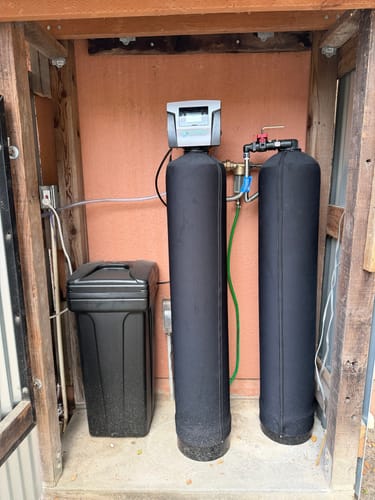
The transformation in our water quality became apparent within the first week, but the full benefits took several weeks to stabilize as the system reached optimal performance. I documented the changes systematically because I wanted to understand exactly what we were getting for our investment.
Taste and odor improvements were immediate and dramatic. The metallic tang that had plagued our coffee completely disappeared, and the subtle sulfur smell that I'd grown accustomed to was eliminated entirely. My morning coffee routine became enjoyable again - no more wondering if expensive beans were worth it when the water was compromising the flavor.
The chlorine odor elimination was equally impressive. Our well water goes through a chlorination system before entering the house, and that chemical smell had been noticeable in every glass of water and during showers. The catalytic carbon handles chlorine removal so effectively that I sometimes forget our water is even treated with chlorine.
Water clarity improved significantly over the first month of operation. Initially, our tap water had a slight cloudiness that wasn't immediately obvious but became apparent when compared to bottled water. Now, water from our taps is crystal clear with no visible particles or discoloration.
I measured iron content before installation at 0.8 PPM using a home test kit, which explained the metallic taste and occasional staining. Post-filtration testing showed iron levels below detectable limits of my test strips. The staining issues we'd experienced on bathroom fixtures completely stopped occurring.
Hydrogen sulfide, which had been causing the subtle "rotten egg" odor during certain times of year when our well conditions changed, has been completely eliminated. The catalytic oxidation process converts hydrogen sulfide into sulfur compounds that the carbon can remove, and this has worked flawlessly even during seasonal variations in our source water.
Flow rate performance exceeded my expectations. At 7 GPM service flow, we've never experienced pressure drops during peak usage - simultaneous showers, dishwasher operation, and laundry don't create any noticeable reduction in pressure or flow at any fixture.
The bone char component's fluoride removal was harder to measure with home test kits, but professional water testing after three months showed fluoride levels reduced from 1.2 PPM to 0.3 PPM - a significant reduction that addressed my concerns about long-term fluoride exposure for our family.
Daily Living Impact: Beyond Just Better Drinking Water
The improvements in our daily life extend far beyond what I initially expected when researching water filtration systems. Some benefits became apparent immediately, while others emerged gradually as the system optimized our entire household water supply.
Shower and bathing experiences improved dramatically within the first two weeks. My skin no longer feels tight and dry after showering, and I've been able to reduce the amount of moisturizer I use daily. My hair regained its natural shine and feels softer without changing any hair care products.
Our coffee maker, which had been producing increasingly bitter coffee despite regular descaling, now brews coffee that tastes like it did when new. The internal components show no signs of new mineral buildup, and I've extended descaling intervals from monthly to quarterly without any performance degradation.
Laundry results have been surprisingly positive. Clothes feel softer coming out of the wash, and colors appear more vibrant. We've reduced fabric softener usage by about half while achieving better results, and white clothes stay whiter longer without the gradual discoloration we'd experienced previously.
Ice cubes from our refrigerator dispenser are now crystal clear instead of cloudy, and they don't have the slight off-taste that I'd grown accustomed to. Guests consistently comment on how good our water tastes, which has become a source of pride rather than embarrassment.
Housekeeping has become easier in several unexpected ways. Glass shower doors require less frequent cleaning because mineral deposits don't accumulate like before. Kitchen faucets and fixtures maintain their appearance longer without the constant water spot formation that required daily attention.
The dishwasher produces dramatically better results with the improved water quality. Glassware comes out spotless without rinse aid, and dishes don't have the film residue that had become our normal experience. We've been able to reduce dishwasher detergent usage while achieving superior cleaning results.
Cooking applications have improved beyond just coffee brewing. Pasta water boils cleaner, rice cooking results are more consistent, and even simple tasks like washing vegetables seem more effective with the better water quality.
My husband, who was initially skeptical about the investment, became a convert after the first month when he noticed his morning coffee routine had become enjoyable again and his post-workout showers felt more refreshing.
Operational Costs and Maintenance Reality Check
Understanding the true cost of ownership was crucial for me because our previous filtration system had hidden expenses that made it much more costly than anticipated. After six months of operation, I have a clear picture of what this system actually costs to maintain.
The media replacement cost is the primary ongoing expense. Based on our water usage patterns and the manufacturer's specifications, I expect to replace the catalytic carbon and bone char media every 3-4 years. Current replacement media costs approximately $180, which translates to roughly $4.50 per month in media replacement reserves.
Backwash water usage during the monthly regeneration cycles consumes approximately 150 gallons per cycle. At our local water rates, this adds about $2 monthly to our water bill - a minimal impact that's easily offset by eliminating bottled water purchases.
Electricity consumption for the control head is negligible - the digital timer and valve actuator use less power than a night light. Even with Florida's relatively high electricity rates, the monthly electrical cost is under $1.
Salt or chemical additions aren't required for this system, unlike water softeners or some other treatment systems. This eliminates an ongoing expense and the inconvenience of monitoring and replenishing consumables regularly.
Comparing these costs to our previous point-of-use filter expenses reveals significant savings. We were spending $45 monthly on various filter cartridges for drinking water, refrigerator filters, and shower filters. The whole-house system eliminates all these individual filters while providing superior treatment.
Professional maintenance isn't required, but I plan to have the system inspected annually by a water treatment professional. Local service calls run about $125, but this preventive approach should maximize system life and performance consistency.
The total monthly operational cost works out to approximately $7.50 including reserves for media replacement, backwash water, and annual service. This compares favorably to the $50 we were spending monthly on various filters and bottled water purchases before installation.
Long-term value includes protecting our appliances from mineral damage and corrosion. Our previous water conditions were shortening appliance life significantly, and the improved water quality should extend the service life of our water heater, dishwasher, washing machine, and other water-using appliances.
Honest Assessment: What Works Well and What Doesn't
After six months of daily use, I can provide a balanced perspective on both the strengths and limitations of this system. No water treatment solution is perfect for every situation, and being honest about the drawbacks helps potential buyers make informed decisions.
What exceeds expectations:
The build quality has proven exceptional. Every component feels commercial-grade, and nothing has shown signs of wear or degradation despite constant use. The fiberglass tank construction appears designed for decades of service, not the planned obsolescence common in consumer products.
Contaminant removal performance has been consistently excellent across all the parameters I can test. Taste, odor, clarity, and iron removal have remained stable without any degradation over time. The system handles seasonal variations in source water quality without any adjustments required.
Water pressure and flow rate have never been compromised, even during peak household usage. The upflow design and proper sizing ensure we get treated water at full pressure whenever we need it.
Areas needing improvement:
The documentation and installation support remain problematic. While the hardware is excellent, the instructions don't match the quality of the equipment. Better diagrams and clearer flow direction labeling would prevent the confusion I experienced.
Customer service availability during weekends is limited, which can be frustrating for DIY installers who work on systems during off-hours. Extended support hours or better online resources would address this gap.
The initial media settling and flushing process takes longer than indicated in the documentation. Plan for cloudier water during the first week of operation while the system optimizes, rather than expecting immediate crystal-clear results.
Minor inconveniences:
Monthly backwash cycles require scheduling around household activities since water pressure is reduced during the regeneration process. The cycle takes about 45 minutes, which isn't problematic with planning but can be inconvenient if unexpected.
Media replacement will be more involved than simple cartridge changes, requiring careful handling and proper disposal of spent carbon and bone char. This isn't difficult, but it's more complex than the plug-and-play filter systems some people prefer.
The system requires dedicated space and proper installation location planning. Unlike under-sink systems, this needs significant utility room space and professional-grade plumbing connections.
Overall, the performance benefits far outweigh these limitations, but understanding both sides helps set realistic expectations for potential buyers considering this investment in their home's water quality.