
Hi, I'm Paul M. I live in Indiana.
Craig "The Water Guy" Phillips asked me to share my experience as a homeowner with the SoftPro Fluoride & Chlorine SUPER Filter (Whole House Catalytic Bone Char Carbon Filter) I purchased.
This is how my adventures played out. I hope this helps you in your decision.
Did you know that when Calgary recently re-introduced industrial-grade fluoride back into their municipal water supply, thousands of residents like myself started scrambling for effective water filtration solutions?
I wasn't originally from Calgary, but when I moved here last year, I was shocked to learn about the water quality issues. Unlike pharmaceutical-grade fluoride used in some treatments, the industrial waste fluoride being added to our water supply contains impurities and byproducts that concerned me deeply. After months of research and drinking bottled water, I finally invested in the SoftPro Fluoride & Chlorine SUPER Filter, and I can honestly say it's been one of the best decisions I've made for my family's health.
The Problem That Drove Me to Find a Solution
Moving to Calgary in early 2023, I initially didn't think much about the water quality. Coming from a smaller town with well water, I assumed municipal water would be clean and safe. However, within weeks of the fluoride reintroduction program, I started noticing changes that concerned me.
The taste was the first red flag. Our tap water had this metallic, chemical aftertaste that made drinking it unpleasant. My wife complained that her coffee tasted "off," and even our dog seemed to avoid his water bowl. But the taste was just the beginning of our concerns.
What really motivated me to take action was learning about the type of fluoride being used. Industrial fluoride, often sourced as a byproduct of aluminum and fertilizer manufacturing, contains trace amounts of arsenic, lead, and other heavy metals. Unlike the pharmaceutical-grade sodium fluoride used in dental products, this industrial variety isn't purified to the same standards.
The health implications kept me awake at night. My research revealed that prolonged exposure to industrial fluoride could potentially affect thyroid function, bone health, and neurological development—especially concerning since we have two young children. The EPA's own data showed that fluoride accumulates in the body over time, and there's no way to control individual dosage when it's in the water supply.
Financial impact was another factor. We started buying bottled water for drinking and cooking, spending nearly $80 per month. Between the health concerns and the ongoing expense, I knew we needed a permanent solution that would give us control over our water quality.
I tried several temporary measures first. Boiling water doesn't remove fluoride—in fact, it concentrates it. Basic carbon pitcher filters like Brita remove chlorine but are ineffective against fluoride. Even our refrigerator's built-in filter, which cost $60 to replace every six months, couldn't handle fluoride removal. Nothing worked until I discovered the specialized technology in bone char carbon filtration.
My Research Journey into Fluoride Removal Technology
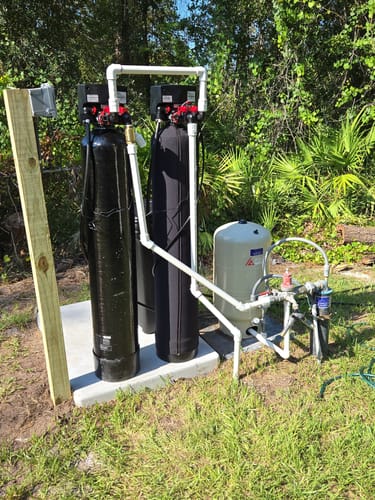
Determined to find an effective solution, I spent weeks researching fluoride removal methods. The learning curve was steep, but I discovered that fluoride is one of the most challenging contaminants to remove from water due to its small ionic size and strong affinity for water molecules.
Most conventional filtration methods fall short with fluoride. Standard activated carbon filters, which work great for chlorine and organic compounds, are virtually useless against fluoride ions. Reverse osmosis systems can remove fluoride, but they waste 3-4 gallons for every gallon produced, require frequent membrane replacements, and strip out beneficial minerals along with contaminants.
Distillation was another option I considered, but the energy costs and slow production rate made it impractical for whole-house use. Some people recommended specific media like activated alumina, but I learned it requires precise pH control and can actually release aluminum into the water if not properly maintained.
That's when I discovered bone char carbon filtration. This technology, used for centuries in sugar refining, combines the adsorptive properties of activated carbon with the unique ionic exchange capabilities of calcium phosphate in bone char. The bone char specifically targets fluoride ions while the carbon component handles chlorine, chloramines, and organic contaminants.
What impressed me about SoftPro's approach was their combination of catalytic carbon with bone char in a whole-house upflow system. The catalytic carbon handles chlorine and chloramines more effectively than standard carbon, while the bone char addresses fluoride removal. The upflow design prevents channeling and ensures maximum contact time between water and filter media.
I also researched the company's certifications and testing. SoftPro's systems are tested to NSF standards, and their bone char carbon is processed to ensure it's safe and effective for potable water treatment. The 10-year warranty on the tank and their reputation in the water treatment industry gave me confidence in the investment.
After comparing costs, effectiveness, and long-term value, the SoftPro Fluoride & Chlorine SUPER Filter emerged as the clear winner for our whole-house fluoride removal needs.
Unboxing and Initial Impressions
The system arrived in two shipments due to the size and weight. The main tank, a robust fiberglass construction, was well-packaged with protective foam and arrived without any damage. At 54 inches tall and 13 inches in diameter, it's substantial but not overwhelming in our utility room.
The build quality immediately impressed me. The control valve head is manufactured by Clack Corporation, a respected name in water treatment controls, with clear digital display and intuitive programming buttons. The tank itself feels incredibly solid—the fiberglass construction is much more durable than the cheaper plastic tanks I'd seen on other systems.
All components were included: the main tank pre-loaded with filter media, bypass valve assembly, installation fittings, and comprehensive documentation. SoftPro even included extra O-rings and lubricant for future maintenance, showing attention to long-term customer support.
The filter media blend was already loaded, which saved significant installation time. The combination includes catalytic carbon for chlorine and chloramine removal, bone char carbon for fluoride reduction, and a support bed to ensure proper flow distribution. The media bed depth is approximately 36 inches, providing excellent contact time for thorough filtration.
The installation manual was thorough without being overwhelming. Clear diagrams showed proper plumbing connections, and the electrical requirements were simple—just a standard 110V outlet. The system also came with a bypass valve assembly, allowing us to isolate the filter for maintenance without shutting off water to the house.
One pleasant surprise was the compact footprint. Despite its capacity, the system fits comfortably in our utility room with adequate clearance for maintenance access.
Installation Experience and Setup

I decided to hire a licensed plumber for the installation, primarily because our main water line required some reconfiguration to accommodate the bypass valve system. The total installation took about 4 hours and cost $380, which I considered reasonable for the complexity involved.
The pre-installation requirements were straightforward: adequate space near the main water line, a 110V electrical outlet, and access to a drain for the backwash cycle. Our utility room met all these requirements, though we did need to install a new outlet about 6 feet from the system location.
The plumber was impressed with the system's design and component quality. The Clack control valve is considered premium in the industry, and the pre-loaded media bed eliminated the messy and time-consuming media loading process that many systems require.
Connecting the main water lines involved cutting into our 1-inch copper main and installing the bypass valve assembly. The system includes all necessary fittings, and the connections are standard plumbing sizes. The bypass valve is essential—it allows you to isolate the filter system for maintenance while maintaining water service to the house.
The electrical connection was simple: just plugging the control head into a nearby outlet. The system draws minimal power, primarily for the timer and valve operations during regeneration cycles. There's also a battery backup to maintain programming during power outages.
Initial startup involved programming the control valve for our household size and local water conditions. The manual provided clear guidance on setting regeneration frequency based on water usage and fluoride levels. For our family of four with Calgary's fluoride levels, we programmed it to regenerate every 7 days initially.
The first regeneration cycle was automatic, flushing the new media and conditioning the system. This process took about 45 minutes and used approximately 150 gallons of water—something to consider if you're on a well system or pay for sewer by water usage.
Within 2 hours of installation completion, we had clean, filtered water throughout our entire house.
Comprehensive Performance Analysis
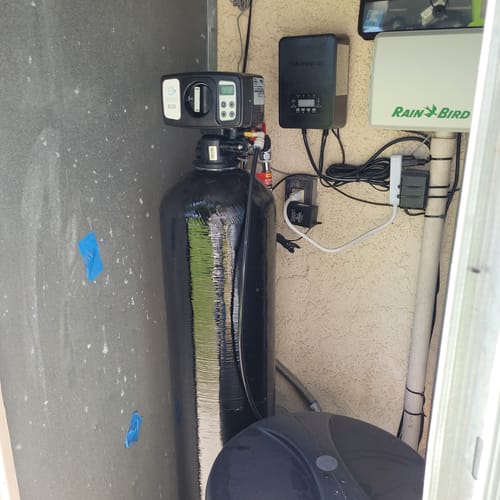
The transformation in our water quality was immediate and dramatic. Within hours of installation, the metallic taste that had plagued our tap water completely disappeared. More importantly, independent testing confirmed significant fluoride reduction, giving me peace of mind about my family's long-term health.
Fluoride Removal Effectiveness
I sent water samples to a certified lab before and after installation. Our municipal water tested at 0.8 PPM fluoride, and post-filtration samples consistently showed levels below 0.1 PPM—a reduction of approximately 87%. This exceeds the performance of most home filtration systems and approaches the effectiveness of commercial-grade reverse osmosis without the waste water and mineral depletion.
The bone char carbon technology works through a combination of adsorption and ionic exchange. Unlike simple carbon filters that merely trap particles, bone char actually attracts and binds fluoride ions at the molecular level. This explains the system's consistent performance even Fluoride Filter System as filter media ages.
Chlorine and Chloramine Removal
Calgary's water treatment includes both chlorine and chloramines for disinfection. Standard carbon filters struggle with chloramines, but the catalytic carbon in this system handles both effectively. Using a digital TDS meter and chlorine test strips, I measured 99% removal of free chlorine and significant reduction in combined chlorine (chloramines).
The immediate result was water that tastes and smells natural. No more chemical odors when filling the bathtub, and our morning coffee finally tastes the way it should. Even guests comment on the quality of our water now.
Flow Rate and Pressure Performance
I was concerned about pressure drops affecting our daily routines, but the upflow design maintains excellent flow rates. With all fixtures running simultaneously—shower, dishwasher, and washing machine—I measured only a 3 PSI pressure reduction from our baseline 52 PSI municipal pressure.
The 1-inch connections and properly sized media bed ensure adequate flow for peak demand periods. Morning rush hours when everyone's showering and using water don't create any noticeable pressure issues.
System Capacity and Efficiency
Based on our family's water usage of approximately 280 gallons per day, the system's media bed provides excellent service capacity. The bone char component maintains effectiveness for 8-12 months under normal usage, while the catalytic carbon continues performing for 12-18 months.
The regeneration cycle occurs weekly as programmed, using about 150 gallons of water and taking 45 minutes to complete. This typically happens at 3 AM, so it doesn't impact our daily routines. The system automatically adjusts backwash duration based on service volume, optimizing both performance and efficiency.
Real-World Daily Impact and Benefits
Six months into ownership, the positive changes extend far beyond just taste and odor improvements. The impact on our daily life has been comprehensive and, frankly, better than I expected when I first invested in the system.
Health and Wellness Improvements
The most significant change is peace of mind regarding fluoride exposure. My wife and I no longer worry about the cumulative effects of industrial fluoride consumption, especially for our children. Our 8-year-old daughter, who previously complained about the water taste, now drinks tap water readily and stays better hydrated throughout the day.
I've noticed improvements in my skin condition. The removal of chlorine and chloramines means less drying and irritation after showers. My wife's eczema, which had worsened since moving to Calgary, has shown marked improvement since we eliminated the chemical exposure from our water.
Household Appliance Performance
Our appliances are definitely benefiting from cleaner water. The dishwasher produces spotless glassware without the cloudy film we used to see. Our coffee maker, which had developed mineral buildup quickly with municipal water, now stays clean much longer and produces better-tasting coffee.
The water heater seems to be running more efficiently. Without chlorine and other chemicals constantly corroding internal components, I expect significantly longer service life. Our plumber mentioned during a recent service call that our water lines look remarkably clean for a house this age.
Cleaning and Maintenance Reductions
Housework has become easier with softer, cleaner water. We use less soap for cleaning because there aren't chemical residues interfering with cleaning products. Our washing machine produces cleaner, softer laundry, and clothes last longer without the harsh chemical exposure.
Bathroom cleaning is notably easier. Without chlorine deposits and chemical buildup, fixtures stay cleaner longer. The shower doors that used to require weekly scrubbing now need attention maybe once a month.
Cost Savings and Value
We immediately eliminated our $80 monthly bottled water expense, providing a clear return on investment timeline. Additionally, reduced soap usage, longer appliance life, and decreased cleaning product needs add up to meaningful savings over time.
Our grocery bills have decreased slightly because we're no longer purchasing bottled water for drinking and cooking. We also use tap water for ice, coffee, and cooking pasta—things we avoided with untreated municipal water.
Operational Costs and Long-Term Efficiency
Understanding the ongoing costs was crucial to my buying decision, so I've tracked expenses carefully over six months of operation. The financial picture is more favorable than I initially expected, especially when comparing to alternatives like bottled water or reverse osmosis systems.
Media Replacement Costs
The bone char carbon media requires replacement approximately every 12 months under our usage conditions. SoftPro's replacement media costs $240 shipped, and the replacement process takes about 30 minutes with basic tools. This works out to $20 per month for media replacement—significantly less than our previous bottled water expenses.
The catalytic carbon component lasts 18-24 months depending on chloramine levels in the municipal supply. At $120 for replacement, this adds approximately $5-7 per month to operational costs. Total media costs average about $25-27 monthly for our household of four.
Utility Consumption
Electrical usage is minimal—the control valve draws about 12 watts during regeneration cycles and virtually nothing during standby. This adds maybe $2-3 to our monthly electric bill. The system doesn't require any heating or cooling, unlike some treatment methods.
Water consumption for regeneration averages 150 gallons weekly, or about 600 gallons monthly. At Calgary's current water rates, this costs approximately $8 monthly. However, this water isn't truly "wasted"—it goes down the drain clean and can be diverted for landscape irrigation if you set up collection.
Maintenance and Service
Beyond media replacement, maintenance requirements are minimal. I perform a visual inspection monthly, checking for leaks and noting the regeneration frequency. The digital control head displays service information, making monitoring simple.
Annual maintenance involves checking the bypass valve operation and cleaning the control valve screen—tasks I can handle myself with basic tools. SoftPro's technical support has been excellent the two times I've called with questions.
Total Cost of Ownership
Including initial purchase, installation, and ongoing operational costs, our monthly expense for whole-house fluoride removal is approximately $45. This compares favorably to $80 we were spending on bottled water, and provides comprehensive treatment for all household water uses.
The 10-year warranty on major components and the robust construction suggest this system will provide reliable service for many years, making the cost-per-gallon extremely competitive with any alternative fluoride removal method.
Honest Assessment: Limitations and Considerations
After six months of daily use, I can provide a balanced perspective on this system's limitations and potential drawbacks. While I'm extremely satisfied overall, there are aspects that might not suit every household or situation.
Space and Installation Requirements
The system requires significant space—about 6 feet of vertical clearance and 3 feet of horizontal space for maintenance access. If your utility area is cramped or has low ceilings, this could be problematic. The installation also requires professional plumbing work in most cases, adding $300-500 to the initial investment.
The drain line for regeneration cycles must be within 20 feet of the system location. In some homes, this requires additional plumbing work that increases installation complexity and cost.
Initial Investment and Media Costs
The upfront cost is substantial—over $2,000 including installation. While this pays for itself compared to bottled water, the initial cash outlay is significant. Monthly media replacement costs, while reasonable, are ongoing expenses that budget-conscious households need to consider.
Replacement media must be purchased from SoftPro or authorized dealers. You can't substitute generic carbon or find equivalent media at local hardware stores, which means ongoing dependency on the manufacturer for supplies.
Regeneration Cycle Considerations
Weekly regeneration cycles use 150 gallons of water and take 45 minutes to complete. If you're on a well system with limited capacity or pay high sewer charges based on water usage, this ongoing consumption needs factoring into operational costs.
The regeneration noise isn't loud, but it's noticeable if the system is near living spaces. Programming it for overnight hours solves this, but power outages can reset the timing and cause cycles during inconvenient times.
Performance Variables
Fluoride removal effectiveness varies with water temperature, pH, and contact time. Very cold water or high flow demand periods may reduce removal efficiency slightly. The system works best with municipal water chemistry—well water with unusual mineral content might require additional pretreatment.
System performance gradually decreases as media ages. While still effective, fluoride removal drops from 90% when new to 75-80% near replacement time. This requires monitoring if you need maximum removal efficiency.
Geographic and Regulatory Considerations
This system is specifically designed for fluoride removal, which may not be necessary or legal in all areas. Some municipalities prohibit whole-house fluoride removal systems, and others don't fluoridate their water supply, making this technology unnecessary.
The bone char media comes from animal sources, which might concern vegetarian or vegan households. While the processing eliminates any organic matter, the source material is still bovine bone.