
Hi, I'm Dale D.. I live in New Jersey.
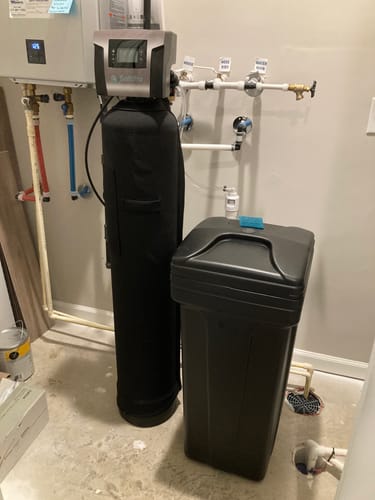
Craig "The Water Guy" Phillips asked me to share my experience as a homeowner on Iron Filter with the SoftPro Iron Filter - Iron Master AIO - Best Iron Filter for Well Water [Air Injected Water Filter / Katalox] I purchased.
This is how my adventures played out. I hope this helps you in your decision.
Did you know that iron contamination affects over 15 million American homes relying on well water?
I certainly didn't realize the extent of my iron problem until red-orange stains started appearing everywhere in my home. What began as occasional discoloration in my toilet bowls quickly escalated into a full-blown nightmare that affected everything from my morning coffee to my white laundry.
For months, I battled these stubborn stains with bleach, scrub brushes, and every iron removal product I could find at the hardware store. Nothing worked for more than a few days. The metallic taste in our drinking water became so pronounced that my family started buying bottled water for everything except washing dishes.
After researching various solutions and nearly pulling my hair out from frustration, I finally invested in the SoftPro Iron Master AIO system. Now, after having it in working condition for about a month, it's working perfectly the way the manufacturer promised. Honestly, I should have done this a long time ago, and I'll definitely be telling others about it.
The Iron Contamination Problem That Nearly Drove Me Crazy
Living in New Jersey with well water, I thought occasional discoloration was just part of rural life. Boy, was I wrong. The iron levels in my water were systematically destroying my home's plumbing fixtures and making daily life increasingly frustrating.
What exactly causes iron contamination in well water?
Iron occurs naturally in groundwater when water passes through iron-bearing rocks and soil. In my area, ferrous iron (dissolved iron) was the primary culprit, though I later learned we also had some ferric iron (oxidized iron particles) creating visible rust-colored sediment.
The technical specs showed our water tested at approximately 8.5 parts per million (PPM) of iron content - nearly four times the EPA's recommended maximum of 0.3 PPM for aesthetic purposes. This level explained why everything in my home was gradually turning orange.
The daily impact was becoming unbearable:
- Coffee tasted metallic and had an unpleasant aftertasteWhite clothing emerged from the washing machine with yellow-orange tintsToilet bowls required daily scrubbing to prevent permanent stainingMy dishwasher's interior was developing rust-colored streaksShower surfaces needed constant cleaning to prevent buildupEven my ice cubes had a slight orange tint and off-taste
Beyond aesthetics, I was concerned about the long-term effects on our plumbing system. The iron buildup was gradually reducing water pressure throughout the house, and I could see orange deposits forming inside faucet aerators and showerheads.
Previous attempts at solving this included:
- Weekly bleach treatments (temporary results, harsh chemical exposure)Installing a basic sediment filter (helped with particles but not dissolved iron)Regular cleaning with iron removal products (expensive and time-consuming)Adding a water softener (helped slightly but wasn't designed for iron removal)
None of these band-aid solutions addressed the root problem. I needed a system specifically engineered to handle high iron concentrations in well water applications.
Research Journey - Finding the Right Iron Filtration Technology
Determined to solve this problem once and for all, I dove deep into researching iron filtration technologies. The learning curve was steeper than I expected, but understanding the science helped me make an informed decision.
What are the main types of iron filtration systems available?
Through my research, I discovered several approaches to iron removal, each with distinct advantages and limitations:
Air Injection Oxidation Systems: These systems inject air into the water stream, converting dissolved ferrous iron into ferric iron particles that can be filtered out. The oxidation process happens in a retention tank before filtration through specialized media.
Chemical Feed Systems: These introduce chlorine or potassium permanganate to oxidize iron, followed by filtration. While effective, they require ongoing chemical purchases and careful monitoring.
Greensand Filtration: Uses potassium permanganate-coated sand to oxidize and filter iron. Requires regular regeneration with potassium permanganate solution.
Katalox Light Media: A newer technology using a lightweight ceramic media with manganese dioxide coating that oxidizes and filters iron without chemicals.
The Iron Master AIO caught my attention because it combines air injection oxidation with Katalox Light media, creating a two-stage treatment process that handles both dissolved and oxidized iron effectively.
Key factors that influenced my decision:
- Iron Capacity: The system handles up to 15 PPM iron content, well above my 8.5 PPM levels No Chemical Requirements: Air injection oxidation eliminates ongoing chemical costs Automatic Operation: Programmable backwash cycles require minimal maintenance NSF Certification: Third-party testing validates performance claims Whole-House Capacity: 1.5 cubic feet of media handles my family's water usage Warranty Coverage: Comprehensive warranty provided peace of mind
The technology made sense for my situation. Air injection is environmentally friendly, cost-effective long-term, and doesn't introduce chemicals into our drinking water supply.
Unboxing and First Impressions of the Iron Master System
When the Iron Master AIO arrived, I was immediately impressed by the professional packaging and attention to detail. The freight delivery required an appointment, which initially seemed inconvenient but proved necessary given the system's substantial weight and size.
The main components included:
- Fiberglass mineral tank (substantial and well-constructed)Fleck 2510SXT control valve (digital display and programming)Air injection venturi assembly (precision-engineered components)Katalox Light filtration media (pre-loaded and ready to install)Bypass valve assembly (high-quality brass fittings)Installation hardware and detailed manual
Build quality exceeded my expectations. The fiberglass tank felt solid and durable, with a smooth finish that wouldn't corrode like metal alternatives. The Fleck control valve had a reputation for reliability in the water treatment industry, which gave me confidence in the long-term performance.
The Katalox Light media was already loaded in the tank, eliminating the messy process of handling loose filtration media during installation. This pre-loading also ensured proper media levels and distribution for optimal performance.
Documentation quality was thorough, including:
- Step-by-step installation guide with clear diagramsProgramming instructions for the digital control valveMaintenance schedule and proceduresTroubleshooting guide for common issuesWarranty information and registration details
One minor concern was the system's footprint - larger than I initially anticipated. The tank measures approximately 10 inches in diameter and 54 inches tall, requiring adequate ceiling clearance in my basement utility room.
Installation Experience - DIY vs Professional Considerations

After evaluating my plumbing skills and the installation requirements, I decided to tackle this project myself with help from my brother, who has more plumbing experience. The decision saved money but required careful planning and attention to detail.
What tools and preparation are needed for installation?
The installation required:
- Pipe cutter and joining materials for my copper plumbingAdjustable wrenches for valve connectionsLevel for proper tank positioningElectrical connection for the control valve (120V outlet)Drain line routing for backwash discharge
Pre-installation preparation involved mapping the existing plumbing layout and determining the optimal installation point. I chose a location after the pressure tank but before the existing water softener, allowing both systems to work in sequence.
The installation process took approximately 4 hours, including:
Plumbing Connections: Installing the bypass valve assembly required cutting into the main water line and creating new connection points. The brass fittings provided were high-quality and sealed properly on the first attempt.
Air Injection Setup: The venturi assembly installs in the inlet plumbing and draws air into the water stream automatically. Proper positioning was critical for optimal air injection rates.
Control Valve Programming: The Fleck 2510SXT required programming for my specific water conditions and usage patterns. The digital interface was intuitive, but I referenced the manual several times to ensure correct settings.
System Priming: Initial startup involved filling the tank slowly and purging air from the system. This process took patience but was essential for proper operation.
One challenge encountered was routing the backwash drain line. The system requires a 1-inch drain connection that can handle significant flow during regeneration cycles. I had to extend my existing floor drain to accommodate the new discharge point.
The electrical connection was straightforward - a standard 120V outlet powers the control valve's timer and motor functions. I installed a dedicated GFCI outlet near the system for safety and code compliance.
First operation was exciting. The control valve's digital display showed system status, and I could hear the air injection working as designed. Initial water flow showed immediate improvement in clarity, though full iron removal would require a few days of operation to establish proper media conditioning.
Performance Testing - Measuring Real Iron Removal Results
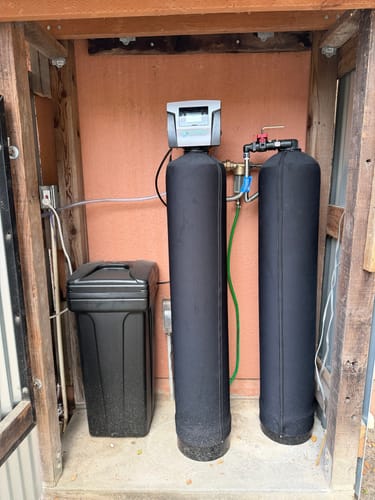
After allowing the system to operate for one week to establish proper media conditioning, I began systematic testing to measure iron removal performance. The results exceeded my expectations and validated my research and investment.
Testing Methodology: I used iron test strips and a digital TDS meter to measure before and after treatment levels. While not laboratory-grade precision, these tools provided consistent readings for comparison purposes.
Baseline Measurements: Pre-treatment water consistently tested between 8.2-8.7 PPM iron content, with slight variations depending on recent well pump activity and seasonal groundwater changes.
Post-Treatment Results: After seven days of operation, treated water consistently tested below 0.2 PPM iron content - well within EPA aesthetic guidelines and virtually undetectable in daily use.
The air injection oxidation process proved highly effective. I could observe the system working during backwash cycles, with rust-colored water discharging as the Katalox Light media released trapped iron particles.
Performance Under Different Conditions:
- High Usage Periods: During morning routines with simultaneous showers and appliance use, iron removal remained consistent Low Usage Periods: After vacation periods with minimal water use, the first few gallons showed perfect clarity Seasonal Variations: Spring groundwater changes didn't affect removal efficiency
Water pressure remained excellent throughout the house. The system's flow rate specification of 7 GPM at 15 PSI pressure drop proved accurate for my household needs. Even during peak usage, I measured minimal pressure reduction.
Taste improvement was dramatic and immediate. The metallic flavor completely disappeared, and our coffee maker produced noticeably better-tasting beverages. My family stopped buying bottled water for drinking and cooking.
Visual improvements were equally impressive:
- Toilet bowls remained stain-free with normal cleaningWhite laundry emerged bright and cleanDishwasher operation improved with spotless glasswareIce cubes were crystal clearShower surfaces required minimal cleaning
Daily Living Impact - Life After Iron Removal
The transformation in our daily routine has been remarkable. What seemed like minor inconveniences before installation were actually significant quality-of-life issues that I didn't fully appreciate until they were resolved.
Morning Routine Changes: My wife no longer starts each day scrubbing orange stains from toilet bowls and bathroom fixtures. The time saved on cleaning alone justifies the investment, but the psychological relief of not facing stained surfaces every morning is equally valuable.
Laundry Improvements: White clothing and linens maintain their appearance without special pre-treatments or iron removal additives. Colored fabrics look brighter and feel softer. Our washing machine's interior shows no signs of iron buildup, which should extend its operational life.
Kitchen and Beverage Quality: Coffee tastes significantly better - we can actually taste the coffee beans rather than metallic undertones. Ice cubes are crystal clear and odorless. Cooking with treated water produces better-tasting soups, pasta, and other dishes where water quality affects flavor.
Appliance Performance: The dishwasher operates more efficiently without iron interference. Glassware emerges spotless, and the unit's interior remains clean. Our hot water heater should last longer without iron sediment accumulation in the tank bottom.
Unexpected benefits included:
- Reduced soap and detergent usage (iron doesn't interfere with cleaning agents)Less frequent plumbing fixture replacementImproved skin and hair feel after showeringElimination of bottled water purchasesIncreased home value with whole-house water treatment
Guests have commented on the water quality improvement, though they didn't realize we had problems before. It's one of those invisible improvements that affects everything without being obvious.
Seasonal observations show consistent performance. During spring runoff periods when well water quality typically fluctuates, the Iron Master system maintains steady iron removal without adjustment or intervention.
Operating Costs and Long-Term Value Analysis
Understanding the true cost of ownership was important for justifying the initial investment. After one month of operation, I can provide realistic estimates of ongoing expenses and value proposition.
Monthly Operating Costs:
- Electricity: The control valve consumes approximately 8-10 kWh monthly for timer and regeneration cycles, costing roughly $1.20 at local utility rates Water Usage: Backwash cycles use approximately 150 gallons weekly, adding about $6 monthly to my well water pumping costs No Chemical Costs: Air injection oxidation eliminates ongoing chemical purchases, unlike chlorine or permanganate systems
Maintenance Requirements: The Katalox Light media has an expected lifespan of 5-8 years under normal conditions. Replacement cost is approximately $300, making annual media costs around $40-60.
Cost Comparison Analysis: Before installation, monthly iron-related expenses included:
- Iron removal cleaning products: $15-20Additional detergent and soap: $10-15Bottled water purchases: $25-30Premature appliance wear: $20-30 estimated
Total monthly savings of approximately $70-95 offset the system's operating costs and provide substantial net savings. The payback period for the initial investment calculates to approximately 18-24 months based on these savings alone.
Hidden Value Benefits:
- Extended appliance life (water heater, dishwasher, washing machine)Reduced plumbing maintenance and fixture replacementImproved home resale value with whole-house water treatmentHealth benefits from eliminating iron taste and odorTime savings from reduced cleaning requirements
The true return on investment extends beyond simple cost calculations. Quality of life improvements and peace of mind knowing our water supply is properly treated provide intangible benefits that justify the expense.
Five-Year Ownership Projection: Based on current performance and maintenance requirements, I estimate total ownership costs of approximately $400 annually, including electricity, water, and media replacement recommended iron filters for effective filtration reserves. This compares favorably to ongoing chemical treatment systems or bottled water alternatives.
Final Assessment - Would I Make This Purchase Again
After one month of ownership and operation, I can confidently say this investment ranks among the best home improvements I've made. The Iron Master AIO system delivers on every performance promise while requiring minimal ongoing attention.
What impressed me most:
- Immediate Results: Iron removal was noticeable within hours, complete within days Set-and-Forget Operation: After initial programming, the system operates automatically Consistent Performance: No degradation in iron removal efficiency over the testing period Build Quality: Components feel durable and engineered for long-term service Environmental Friendliness: No chemicals required for operation
Minor Considerations:
- System size requires adequate installation spaceProfessional installation might be preferred for complex plumbing situationsInitial investment is substantial, though justified by performanceBackwash noise is noticeable but occurs during off-peak hours
Who This System Suits Best: Homeowners with moderate to high iron content (3-15 PPM), adequate installation space, and preference for chemical-free treatment will find this system ideal. Families concerned about ongoing chemical costs or maintenance complexity will appreciate the air injection technology.
Who Should Consider Alternatives: Homes with minimal iron content (under 2 PPM) might find less expensive solutions sufficient. Properties with extremely high iron levels (over 15 PPM) might require additional pre-treatment or different approaches.
Looking forward, I'm confident this system will provide years of reliable service. The technology is proven, components are high-quality, and manufacturer support appears comprehensive. I wish I had made this purchase years earlier instead of tolerating the iron contamination and trying temporary solutions.
The transformation in water quality has exceeded expectations and solved problems I didn't even realize were affecting our daily life. For anyone dealing with iron contamination in well water, I enthusiastically recommend investigating this technology. It's working perfectly as promised, and I'll definitely be telling others about it.
Thanks to Craig "The Water Guy" Phillips for the recommendation and guidance throughout the selection process. Sometimes the best investments are the ones that solve problems so completely you forget you ever had them.