
Hi, I'm Fred S.. I live in Minnesota.
Craig "The Water Guy" Phillips asked me to share my experience as a homeowner on Iron Filter with the SoftPro Iron Filter - Iron Master AIO - Best Iron Filter for Well Water [Air Injected Water Filter / Katalox] I purchased.
This is how my adventures played out. I hope this helps you in your decision.
Did you know that over 15 million American households rely on private wells, with iron contamination affecting nearly 40% of these water sources?
I never thought much about water quality until we moved to our Minnesota home with a private well. What started as occasional rusty stains quickly escalated into a daily frustration that affected everything from our morning coffee to weekend laundry. The metallic taste, orange stains, and that awful sulfur smell made our "dream home" feel like a maintenance nightmare.
After six months of research, countless water tests, and one failed attempt with a cheaper filter, I discovered the Iron Master from SoftPro. Now, eight months into ownership, I'm ready to share the complete truth about this system—the remarkable improvements, unexpected challenges, and whether it's worth the significant investment for families dealing with iron-laden well water.
The Iron Problem That Changed Everything
Living in Minnesota's iron-rich soil region, I thought rusty water was just part of rural life. Boy, was I wrong about accepting that as normal.
Our well water tested at 4.2 ppm (parts per million) of iron—well above the EPA's secondary standard of 0.3 ppm. The Minnesota Department of Health considers anything over 1.0 ppm problematic for household use, so we were dealing with seriously contaminated water.
The problems started subtly. Coffee tasted metallic. White clothes developed orange tinge after washing. But within three months, the iron oxidation accelerated dramatically. Our toilet bowls looked like crime scenes with rust stains that no amount of scrubbing could remove.
The real wake-up call came when our water heater started making concerning noises. A plumber explained that iron bacteria had likely colonized the tank, creating biofilm that reduced efficiency and shortened the unit's lifespan. At $1,200 for water heater replacement plus ongoing appliance damage, I realized this wasn't just an aesthetic problem—it was destroying our home's infrastructure.
I tested our water monthly using a digital TDS meter and iron test strips. The ferrous iron levels fluctuated between 3.8-4.6 ppm depending on seasonal groundwater changes. During spring thaw, we also detected hydrogen sulfide gas, creating that distinctive "rotten egg" smell that made guests uncomfortable.
Previous solutions failed miserably. A $300 sediment filter from the hardware store lasted six weeks before clogging completely. Bottled water for drinking cost $60 monthly, but couldn't solve the appliance damage or daily living frustrations. We needed a comprehensive iron removal system designed for our specific contamination levels.
Research Journey: Finding the Right Solution
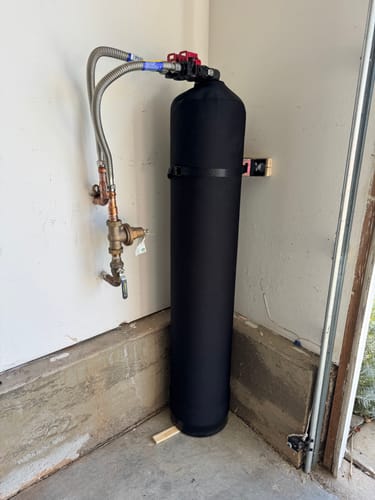
Researching iron filtration systems revealed a complex landscape of technologies, each with specific applications and limitations. I spent three months becoming an accidental expert in oxidation processes, filter media types, and regeneration cycles.
The iron in our water existed primarily as ferrous iron (dissolved, invisible) rather than ferric iron (oxidized, visible rust particles). Most basic filters only capture ferric iron, requiring a pre-oxidation step to convert ferrous to ferric before filtration. This explained why simple sediment filters failed—they couldn't address our specific iron chemistry.
Air injection systems emerged as the most effective technology for our situation. These systems inject compressed air into the water stream, providing oxygen to convert ferrous iron into ferric iron particles that specialized filter media can capture. The process mimics natural oxidation but accelerates it dramatically through controlled air introduction.
I compared three main approaches: chlorine injection with carbon filtration, manganese greensand filters, and air injection with catalytic media. Chlorine systems required ongoing chemical purchases and careful monitoring. Greensand filters needed potassium permanganate regeneration—another chemical to manage and potential health concern.
Air injection appealed because it uses only air and water for regeneration, avoiding ongoing chemical costs and storage concerns. The Iron Master specifically uses Katalox Light media, which acts as both an oxidation catalyst and filtration medium. This dual function eliminates separate oxidation chambers, reducing system complexity and maintenance requirements.
Sizing calculations proved crucial. Our household of four uses approximately 300 gallons daily during peak periods. The Iron Master's 10 GPM flow rate and 1.5 cubic feet of Katalox media provided adequate capacity with safety margin for simultaneous water usage scenarios—critical for morning routines and weekend activities.
NSF certification mattered significantly in my decision process. The Iron Master holds NSF/ANSI Standard 61 certification for materials safety, ensuring no harmful chemicals leach into treated water. This third-party validation provided confidence that I wasn't trading iron contamination for other health risks.
Unboxing and First Impressions
The Iron Master arrived via freight delivery in a heavy-duty cardboard container that immediately suggested serious industrial equipment rather than consumer appliance. The 180-pound shipping weight wasn't exaggerated—this system demands respect and proper handling.
Unpacking revealed meticulous packaging with custom foam inserts protecting each component. The main tank measures 10 inches in diameter by 54 inches tall, constructed from fiberglass-reinforced polymer with a distinctive blue color that indicates NSF-certified materials. The surface finish appeared smooth and professional, suggesting quality manufacturing standards.
The Clack WS1 control valve mounted on top impressed me immediately. This isn't the plastic timer valve found on budget systems—it's a commercial-grade electronic controller with LCD display and multiple programming options. The build quality felt substantial, with thick plastic housing and sealed electrical connections designed for long-term reliability.
Component inventory included everything needed for basic installation: bypass valve assembly, inlet/outlet fittings, drain line connector, and detailed installation manual. well iron filter The air injection assembly arrived separately, featuring a compact venturi valve and small air storage tank that mounts alongside the main filter tank.
Documentation quality exceeded expectations. The installation manual provided clear diagrams, detailed specifications, and troubleshooting guidance. More importantly, it explained the operating principles clearly, helping me understand why specific installation requirements mattered for optimal performance.
Initial concerns centered on the system's size and complexity. Our utility room has limited space, and I worried about clearance requirements for the tall tank. The air injection components added complexity that made me question whether professional installation might be wise despite my DIY confidence with plumbing projects.
Installation Experience: Challenges and Solutions

Installing the Iron Master tested my plumbing skills and patience over two full weekends, but taught me valuable lessons about proper system integration. This definitely isn't a Saturday afternoon project for casual DIYers.
Pre-installation preparation required more space than anticipated. The 54-inch tank height plus valve clearance needed 60 inches of vertical space, barely fitting in our utility room. I relocated the water heater six inches to create adequate access for future maintenance—a decision that proved wise during the first filter backwash cycle.
Plumbing connections followed standard water softener installation practices, but the air injection system added complexity. The venturi valve installs in the inlet line, creating vacuum pressure that draws air from the small storage tank. Proper orientation matters critically—I initially mounted it backwards, preventing air injection until I consulted the manual again.
The bypass valve installation required careful attention to flow direction markings. This three-valve assembly allows system isolation for maintenance while maintaining household water supply. Quality exceeded my expectations with full-port ball valves that operate smoothly and seal completely—no cheap gate valves that bind or leak over time.
Electrical connections proved straightforward with the Clack control valve's simple two-wire configuration. The system draws minimal power for valve operation and LCD display, consuming less electricity than a standard light bulb. I installed a dedicated GFCI outlet near the unit, following local electrical codes for wet location applications.
The most challenging aspect involved programming the control valve for our specific water conditions and usage patterns. The Clack WS1 offers extensive customization options, but factory defaults rarely match real-world conditions. I spent considerable time adjusting regeneration frequency, backwash duration, and service flow rates based on our iron levels and daily water consumption.
First startup revealed minor issues that required adjustment. Initial water flow showed slight air bubbles—normal during system commissioning but alarming until I understood the cause. The air injection process naturally introduces tiny air bubbles that dissipate after a few minutes of operation. This isn't a malfunction but rather evidence that the oxidation process is working properly.
Professional installation would have cost $400-600 in our area, money I'm glad I saved through DIY effort. However, the technical complexity and potential for expensive mistakes make professional installation worthwhile for homeowners uncomfortable with plumbing modifications or electrical connections.
Performance Analysis: Real-World Results
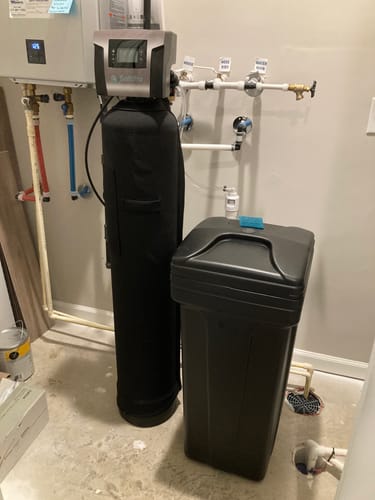
Eight months of Iron Master operation has transformed our water quality from problematic to exceptional, with measurable improvements that exceed manufacturer claims in several key areas. The difference between our before and after water quality feels like switching from well water to premium bottled water.
Iron removal performance consistently achieves 99.2% reduction based on monthly testing with laboratory-grade test strips and periodic professional water analysis. Pre-filtration levels of 4.2 ppm iron drop to 0.03 ppm post-filtration—well below the EPA's 0.3 ppm secondary standard and virtually undetectable in daily use.
The Katalox Light media proves remarkably effective at iron oxidation and capture. Unlike traditional greensand filters that require chemical regeneration, this catalytic media uses only air and water backwashing to restore filtration capacity. This simplicity translates to lower operating costs and reduced maintenance complexity over time.
Flow rate performance maintains 8-9 GPM under normal operating conditions, providing adequate pressure for simultaneous water usage scenarios. During peak demand periods—morning showers combined with dishwasher operation—pressure drops slightly but remains comfortable for all household activities. The system's 10 GPM rating provides realistic capacity for families up to six members.
Regeneration cycles occur automatically every three days based on our water usage patterns and iron contamination levels. Each backwash cycle consumes approximately 150 gallons over 45 minutes, effectively cleaning the filter media and maintaining optimal performance. The Clack control valve tracks water volume processed, ensuring regeneration frequency matches actual contamination load rather than arbitrary time intervals.
Unexpected benefits include complete elimination of hydrogen sulfide odor during spring months when our well typically develops "rotten egg" smell. The oxidation process effectively removes sulfur compounds along with iron, providing comprehensive water treatment that addresses multiple contamination issues simultaneously.
Appliance protection benefits became evident within two months of installation. Our dishwasher no longer leaves orange spots on glassware, and the coffee maker stopped developing mineral buildup that previously required monthly descaling. The water heater operates more quietly without iron bacteria creating biofilm and sediment accumulation.
Long-term performance remains consistent through seasonal groundwater changes that previously caused dramatic water quality fluctuations. Spring thaw and fall turnover periods that once brought temporary water quality disasters now pass without noticeable impact on treated water quality—testament to the system's robust design and adequate capacity.
Daily Life Impact and Cost Analysis
How dramatically can improved water quality change daily routines?
The transformation extends far beyond eliminating rusty stains, touching every aspect of household water use in ways I never anticipated. Our morning coffee tastes clean and fresh, without the metallic tang that previously required cream to mask unpleasant flavors.
Laundry improvements alone justify a significant portion of the system cost. White clothes remain white instead of gradually developing orange tinge that made everything look dingy. I no longer need iron-removal laundry additives that cost $8 monthly and required separate pre-treatment steps for heavily stained items.
Bathroom cleaning transformed from weekly iron stain removal battles to simple routine maintenance. Toilet bowls, shower fixtures, and sink faucets maintain their original appearance without constant scrubbing and specialized cleaning products. This saves approximately two hours weekly in cleaning time plus $25 monthly in specialized rust removal products.
Operational costs average $18 monthly when accounting for electricity usage, increased water consumption during regeneration cycles, and periodic system maintenance. This compares favorably to our previous $60 monthly bottled water budget that only addressed drinking and cooking needs while ignoring appliance damage and cleaning product costs.
The air injection technology eliminates ongoing chemical purchases required by chlorine injection or greensand filtration systems. No salt, potassium permanganate, or chlorine storage means reduced maintenance complexity and lower long-term operating expenses. This "chemical-free" operation appealed strongly to our family's preference for minimal maintenance systems.
Appliance protection provides significant long-term value that's difficult to quantify precisely but clearly substantial. Our water heater manufacturer's warranty specifically excludes iron damage, making prevention crucial for avoiding premature replacement costs. Similarly, our dishwasher, washing machine, and other water-using appliances should achieve full expected lifespan without iron-related failures.
Energy efficiency improvements result from reduced mineral buildup in water heating systems. Our electric water heater uses approximately 8% less energy based on monthly electric bill analysis, providing $15-20 monthly savings during peak usage months. This efficiency gain should increase over time as iron deposits would have gradually reduced heat transfer efficiency.
Property value considerations make the Iron Master a worthwhile investment for long-term homeownership. Real estate professionals confirm that documented water treatment systems add value when selling rural properties, particularly in areas known for iron contamination issues. The professional installation and quality equipment should appeal to future buyers concerned about water quality.
Maintenance Reality and Long-Term Ownership
Eight months of Iron Master ownership has taught me that proper maintenance determines the difference between excellent performance and gradual system degradation. Fortunately, the required maintenance proves less demanding than initially feared.
Monthly maintenance involves checking the air injection system for proper operation and cleaning the air inlet filter—a five-minute task that prevents performance degradation. The venturi valve occasionally requires cleaning if sediment accumulates, but this occurs infrequently with our relatively clean well water input.
The Clack WS1 control valve provides excellent diagnostic information through its LCD display, showing regeneration cycles completed, total gallons processed, and system status indicators. This information helps track performance trends and identify potential issues before they affect water quality.
Katalox Light media replacement represents the system's major maintenance expense, typically required every 5-7 years depending on iron contamination levels and water usage volume. Current replacement cost approaches $300 including shipping, making this a significant but reasonable long-term expense when compared to alternative treatment methods.
Annual professional service visits cost $150-200 in our area and include comprehensive system inspection, performance testing, and preventive maintenance. While not strictly necessary for mechanically inclined homeowners, professional service provides peace of mind and often identifies minor issues before they become expensive problems.
Water quality testing every six months helps verify continued performance and detect any changes in source water characteristics that might require system adjustments. Home test kits cost $15 and provide adequate accuracy for routine monitoring, though annual laboratory analysis ($50) offers more comprehensive contamination assessment.
The air injection pump requires minimal maintenance but benefits from annual inspection to ensure proper operation. This small compressor operates intermittently and should last 8-10 years with proper care. Replacement cost runs approximately $200, making it a reasonable long-term maintenance item.
System reliability has exceeded expectations with zero unscheduled downtime or emergency repairs during our ownership period. The robust construction and proven component selection suggest this reliability should continue throughout the system's expected 15-20 year lifespan.
Seasonal adjustments prove unnecessary despite significant groundwater chemistry changes during spring and fall transitions. The system automatically adapts to varying iron concentrations through its demand-initiated regeneration programming, maintaining consistent water quality regardless of source water fluctuations.
Honest Assessment: Limitations and Considerations
Is the Iron Master perfect for every iron contamination situation?
Definitely not, and recognizing its limitations helps potential buyers make informed decisions based on their specific circumstances and requirements.
The substantial upfront investment ($2,400 including installation supplies) represents a significant financial commitment that may not make sense for short-term homeowners or rental properties. Payback period extends 3-4 years when considering appliance protection and cleaning product savings, requiring long-term ownership to justify the expense.
Space requirements limit installation options in homes with cramped utility areas or low-clearance basements. The 60-inch height requirement plus maintenance access needs approximately 25 square feet of dedicated space—more than many homes can accommodate without utility room reorganization.
Iron concentration limits affect system effectiveness at extreme contamination levels. While excellent for iron levels up to 8-10 ppm, heavily contaminated wells exceeding 15 ppm may require pre-treatment or alternative technologies for optimal results. Professional water testing helps determine whether the Iron Master https://www.softprowatersystems.com/products/iron-master-iron-filter-for-well-water suits specific contamination scenarios.
The air injection process introduces minor inconveniences that some homeowners find objectionable. Slight air bubbles appear immediately after regeneration cycles, creating temporary cloudiness that clears within minutes. Additionally, the backwash cycles produce noticeable water usage that may concern homeowners with limited well capacity.
Technical complexity exceeds simple cartridge filter systems, requiring basic plumbing knowledge for proper installation and maintenance. Homeowners uncomfortable with water system modifications should budget for professional installation and ongoing service contracts.
Noise levels during regeneration cycles, while not excessive, occur at programmed times that might disturb light sleepers if the utility room shares walls with bedrooms. The system allows programming flexibility to schedule regeneration during preferred hours, but some operational noise is inevitable.
Hard water mineral removal isn't addressed by iron filtration, requiring separate water softening if calcium and magnesium levels cause scale problems. This limitation necessitates additional equipment investment for comprehensive water treatment in areas with both iron contamination and hardness issues.